

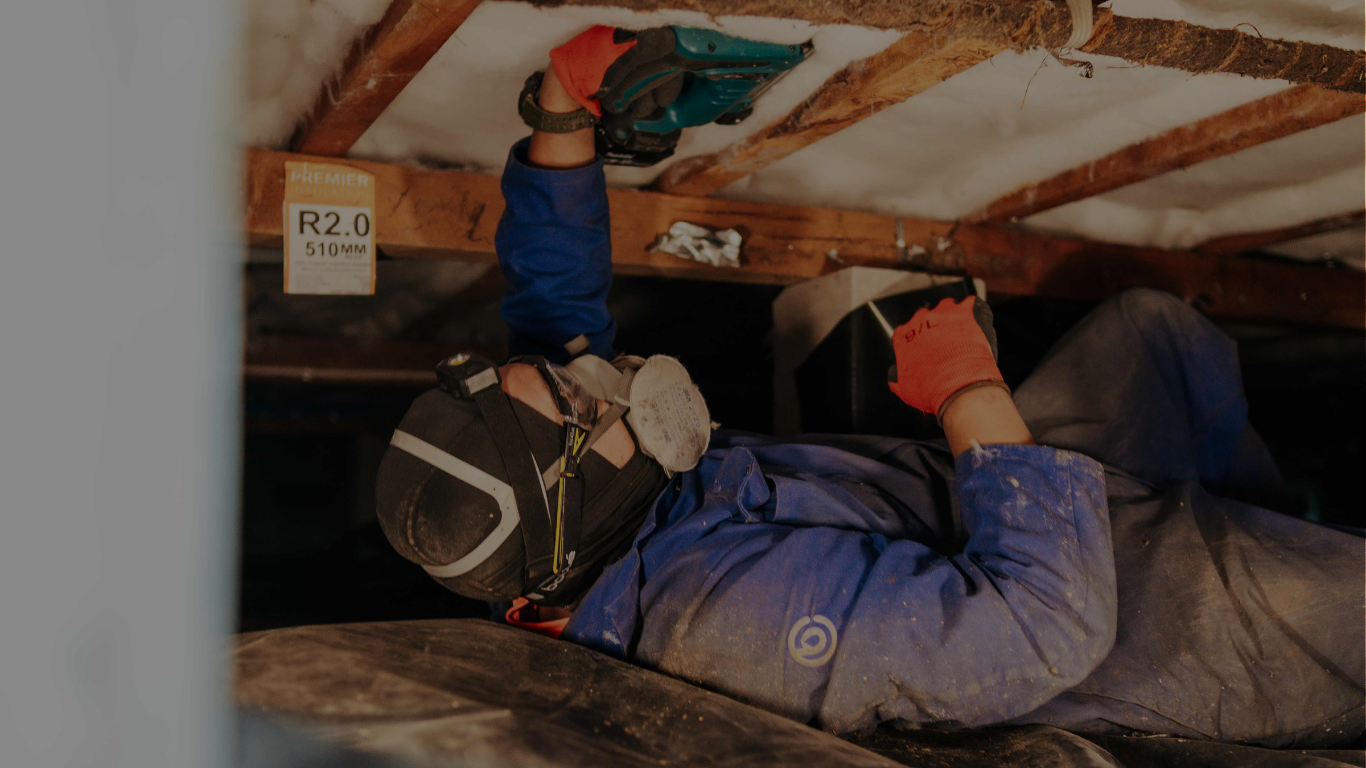
Premier Underfloor Insulation
Premier 100% Polyester Insulation is proudly manufactured in New Zealand and our Glasswool Insulation is imported from our long-standing partners in Taiwan. Both insulation options are two of the most commonly found in New Zealand homes.
Why should you insulate your underfloor?
Up to 14% of heat escapes through your floor
While newer homes are often built on concrete slabs, older homes built on piles or wooden frames can lsignificant heat through uninsulated floors. Underfloor insulation is a cost effective way that acts as a barrier, preventing drafts and cold air from seeping in, especially during winter.
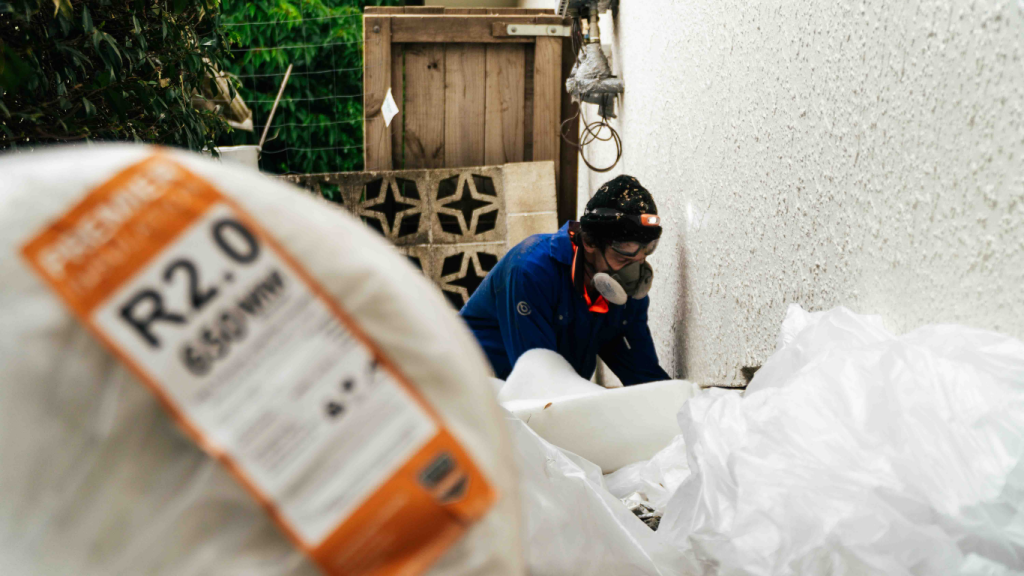
Being moisture and vermin resistant and how it’s designed to easily fit between floor joists for a tight install, makes Premier 100% Polyester Insulation the recommended option for your underfloor installation. Tailored for New Zealand structures, our 100% Polyester Insulation stands out from the crowd.
Safety First
Unlike some other insulation types, our Polyester Insulation is non-irritating, mitigating risks associated with respiratory or skin allergies. This ensures a safer environment for both our installers and your family.
Moisture Resistant
Underfloor spaces are notorious for dampness. Our insulation combats this, maintaining its shape and thermal attributes even in humid settings. Its moisture resistance also wards off mold, promoting a healthier space.
Electrical Safety Assured
No more fretting about intricate electrical systems. Our insulation won’t interfere with the wiring, solidifying its reputation as a safe choice for homes with extensive electrical networks below the floor.
Flexible & Comprehensive
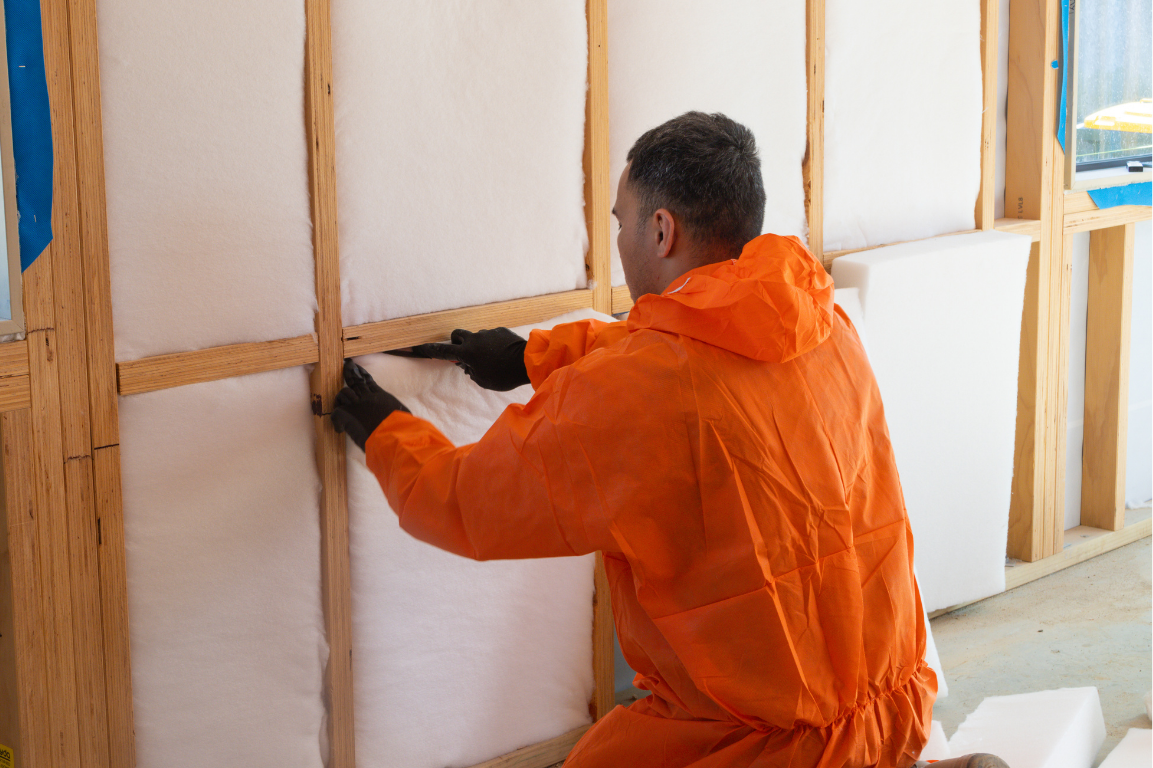
The adaptability of polyester insulation guarantees a snug fit between joists, irrespective of any uneven spacing. This ensures a thorough coverage, eliminating potential heat-escape gaps.
Understanding Insulation and R-Values?
Insulation’s capacity is marked by its R-Value; higher values mean more warmth. With the recent shift in the NZ Building Code, underfloor insulation will see a rise in R-values depending on their climate zone, from R1.5 to up to R1.7 for slab-on-ground homes and R2.5 to R3.0 for homes with timber sub-floors.
Key Considerations For Underfloor Insulation

Existing Insulation
Before installing underfloor heating, assess the current insulation level of the room. A well-insulated space requires less energy to heat, leading to cost savings.

Room Characteristics
Rooms with multiple windows or high ceilings might need a higher heating output. Ensure your insulation is tailored to these requirements.

Floor Construction
Whether you have a concrete base, timber joists, or an upstairs floor, the type of floor construction will influence your insulation choices.
Frequently Asked Questions
How is underfloor insulation installed?
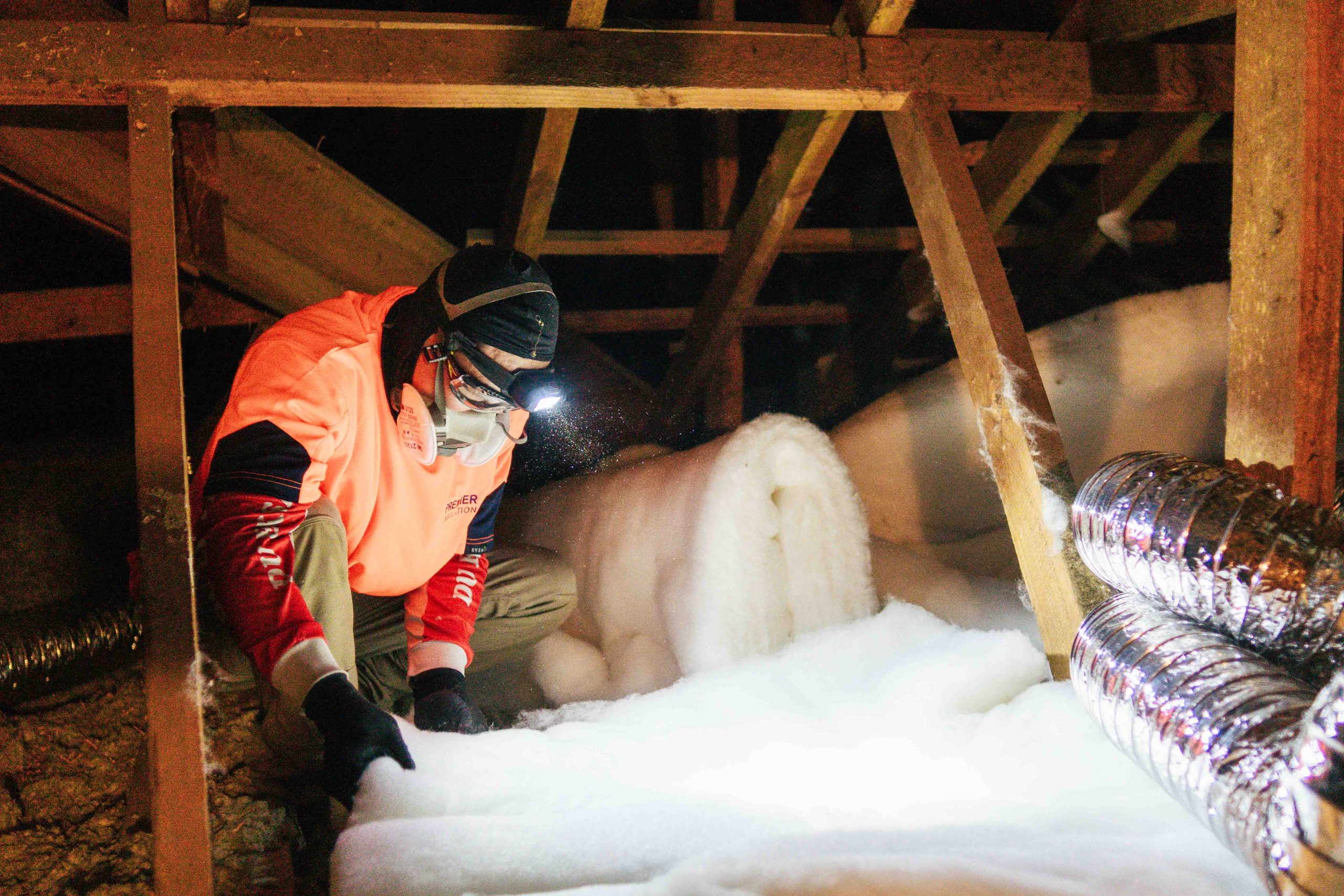
Underfloor insulation is installed between the floor joists from underneath the house. The installer first checks access, subfloor condition, and any moisture issues, as damp conditions reduce performance. Joist spacing is measured so the correct product and size can be selected, then the insulation is fitted snugly without compression and secured using approved supports. Installation should follow NZS 4246:2016 to ensure thermal performance and avoid moisture or safety problems.
Is it worth getting underfloor insulation?
Yes, for many New Zealand homes, especially older pile-based houses, underfloor insulation can significantly reduce heat loss through the floor and improve comfort. It also helps meet rental insulation requirements under Healthy Homes where applicable.
What are signs I need underfloor insulation?
Common signs include cold floors even when heating is on, draughts coming up through floor gaps, musty or damp indoor smells, higher-than-expected heating costs, or a visibly damp subfloor, all of which can affect comfort and building durability.
How much difference does underfloor insulation make?
Underfloor insulation can noticeably improve comfort by reducing heat loss and helping indoor temperatures stay more consistent. Results depend heavily on correct installation, including no gaps or compression, proper fixing, and addressing moisture and ventilation issues, as outlined in NZS 4246:2016.
What R rating for underfloor insulation?
Required R-values depend on the situation. Many rentals under Healthy Homes require a minimum of R1.3, subject to condition and dampness rules. For new builds under Building Code H1, floors other than slab-on-ground typically require R2.5 to R3.0 depending on climate zone.
Say Hello
Our team of local experts are always on hand to provide personalised advice and support for all your insulation needs. Whether you’re a homeowner, builder, or property manager, we’re here to help you create a warm and energy-efficient environment.