

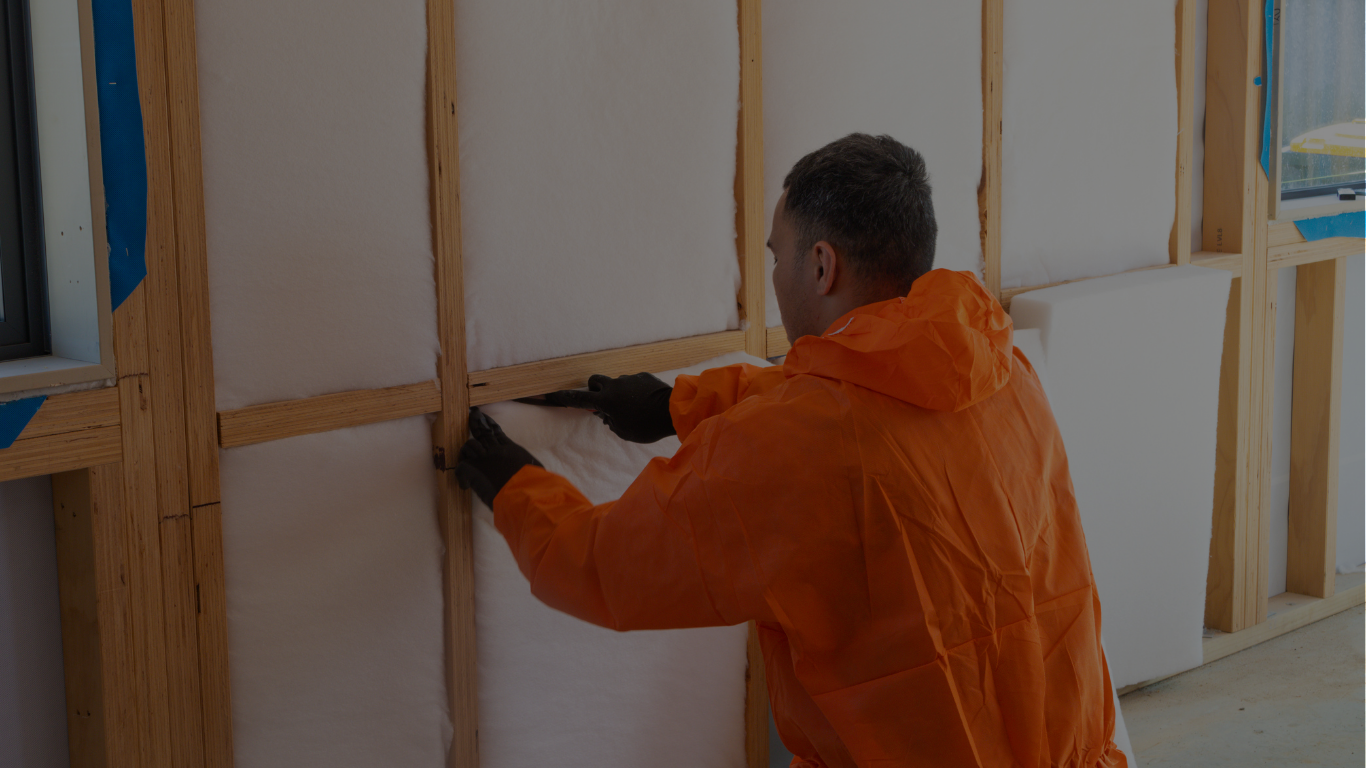
Premier Wall Insulation
Premier 100% Polyester Insulation is proudly manufactured in New Zealand and our Glasswool Insulation is imported from our long-standing partners in Taiwan. Both insulation options are two of the most commonly found in New Zealand homes.
Why should you insulate your walls?
Up to 30% of heat escapes through your walls
We understand the importance of insulating not just your roof and underfloor but also your walls. Because proper wall insulation ensures a comfortable living environment, reduces energy. The walls of your home act as a barrier between the inside and the outside world. If these barriers aren’t insulated, it can lead to substantial energy losses. Insulating walls isn’t just about keeping the cold out, but also about maintaining a consistent and comfortable indoor environment
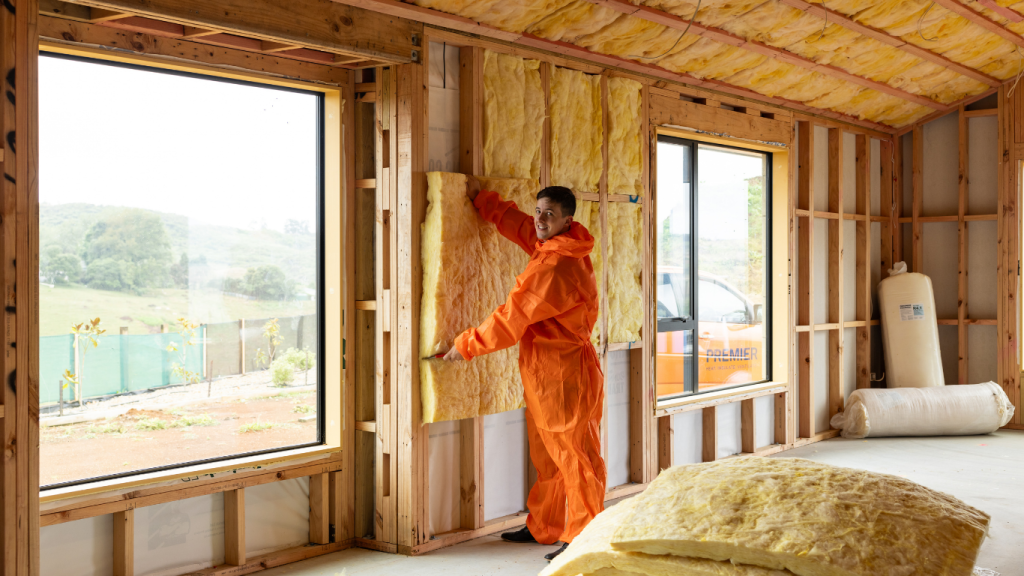
Reduce Energy Bills
Prevent heat loss in winter and retain cool air in summer, helping reduce heating and cooling costs throughout the year.
Enhance Comfort
Create a more consistent internal temperature throughout your home, reducing cold spots in winter and overheating in summer.
Acoustic Benefits
Our insulation products reduce noise transfer, creating a quieter and more peaceful living environment.
NZCB Compliance
Stay compliant with New Zealand’s latest insulation requirements. Our products are designed to meet current NZ Building Code standards.
Key Considerations For Wall Insulation

Complete Coverage
The performance of wall insulation depends on how well it is installed. Gaps, compression and poorly fitted insulation can significantly reduce effectiveness. Ensuring the insulation is correctly sized and installed helps maximise thermal performance and energy efficiency.

Moisture & Ventilation
Walls need to be able to manage moisture effectively to protect the structure and maintain insulation performance. Consider how the wall system handles moisture, including cladding, building wrap and ventilation requirements, to help reduce the risk of condensation and mould.

Working Around Services
Electrical wiring, plumbing pipes and other services are commonly located within wall cavities. These need to be considered during installation to ensure insulation fits properly around them without compromising performance, safety or future maintenance access.
Retrofitting Wall Insulation to Existing Homes
While new builds often come equipped with modern insulation, standards for older homes that were constructed without insulation or with substandard insulating materials, retrofitting is an opportunity to upgrade and reap the benefits of modern insulation.
For existing homes, retrofitting insulation is only possible where you are planning to take down the wall or GIB board first. Without this step, our insulation cannot be applied to pre-existing homes (insulation in New Builds are installed before the GIB board is applied to walls).
- Value Enhancement: Improving insulation can increase your home’s market value.
- Comfort Upgrade: Experience warmer winters and cooler summers, all thanks to a well-insulated home.
- Energy Savings: With better insulation, you can significantly cut down on your energy bills.
Frequently Asked Questions
Do internal walls need insulation?
Internal walls are not usually part of the thermal envelope under Building Code H1, so they are not required for energy efficiency. However, insulating them can improve acoustic comfort and privacy, particularly between bedrooms, bathrooms, and living spaces.
Can you use ceiling insulation in walls?
Only if the product is designed and approved for wall use. Wall insulation must be the correct width, thickness, and properly supported so it stays in place without gaps. NZS 4246:2016 stresses correct installation to achieve performance and avoid moisture issues.
Does wall insulation make a difference?
Yes. Insulating external walls reduces heat transfer, improves comfort, and helps maintain more stable indoor temperatures. It can also reduce condensation risk when combined with appropriate heating and ventilation.
What is cavity wall insulation?
Cavity wall insulation refers to insulation installed within the wall framing cavity, between the internal lining and external cladding. This is commonly done using batts or blankets during construction, or through retrofit systems in some existing homes.
Can you add insulation to existing walls?
Often yes, but the method depends on wall access. Insulation can only be added to the walls if you’re planning on taking down the wall or GIB board first. NZS 4246:2016 covers this approaches and highlights the importance of avoiding moisture build-up.
Say Hello
Our team of local experts are always on hand to provide personalised advice and support for all your insulation needs. Whether you’re a homeowner, builder, or property manager, we’re here to help you create a warm and energy-efficient environment.